Mastering the Art of Nail Filing: A Comprehensive Guide for Nail Techs
How to file nails correctly is one of the most important skills every nail technician needs to master. Whether your client wants a soft classic oval, a clean square, or a bold stiletto shape, the way you file the nail can completely change the final look, feel and longevity of the manicure.
While nail filing might seem like a simple part of prep, the technique you use can have a big impact on the natural nail’s health, the finished shape, and how well your gel polish, builder gel or enhancement system performs. Filing and etching the nail plate correctly helps create the right surface for product adhesion, supporting better retention and a longer-lasting finish.
Want to Master Nail Shaping & Refining?
Learning how to shape nails is much easier when you can see the technique in action. Our FREE Shaping & Refining Masterclass on HONA Education takes you through professional shaping and refining techniques to help you create balanced, consistent nail shapes with confidence.
Perfect for nail techs looking to refresh their technique, improve their shaping skills or simply get more confident behind the file.

Choosing the right grit
Choosing the right nail file grit is key to safe, professional nail prep. The lower the grit number, the coarser the file, so it’s important to use the correct file for each stage of the service.
For shaping the free edge, we recommend using a 240 grit nail file. This allows you to refine the nail shape while keeping control and reducing the risk of splitting or damaging the natural nail.
For etching the natural nail plate before gel application, we recommend using a 150 grit file or buffer with little to no pressure. The aim is not to thin or over-file the nail, but to gently create texture so your gel polish, builder gel or enhancement product has something to adhere to.
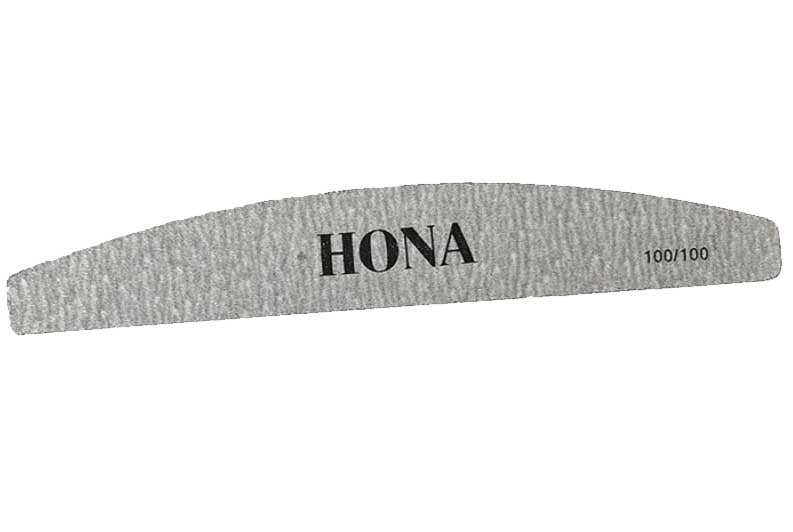
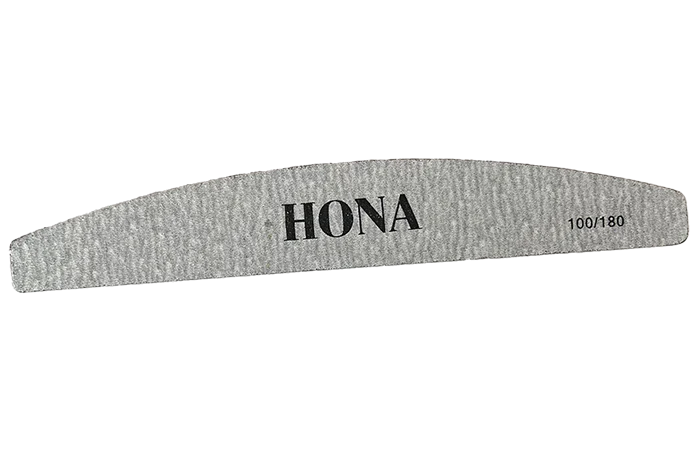
If you need to remove bulk from previous nail enhancements, a 100/120 grit file can be used carefully. This should only be used on product, not directly on the natural nail plate.

Preparing the Nails before filing:
Before you begin filing, it’s important to prepare the nails correctly. Good prep helps create a clean working area, supports better product adhesion and reduces the risk of lifting.
Start by sanitising your client’s hands and arms using a professional sanitiser such as HONA PureClean, then apply nitrile gloves before beginning the service.
Next, dehydrate the nail plate thoroughly, making sure to scrub around the side walls, under the free edge and across the nail surface. This helps remove oils, dust and residue before you move on to cuticle work and filing.
Using a cuticle pusher, gently push back the cuticle area to lift and remove non-living tissue from the nail plate. Hold the tool as you would a pencil and let the weight of the tool do the work. Avoid applying too much pressure, as this can cause discomfort or damage to the natural nail.
Check out our prep guide: Perfecting your prep
Understanding Nail Shapes:

Take some time to familiarise yourself and practise with different nail shapes such as square, round, oval, almond, or stiletto. Each shape requires specific filing techniques to achieve the desired look.
Professional Nail Filing Techniques
When filing the natural nail, technique matters. Always use gentle, controlled movements and avoid applying too much pressure.
Hold your nail file at around a 45-degree angle to the free edge for better control and precision. File from the side of the nail towards the centre, then repeat from the opposite side. This helps reduce stress on the natural nail and prevents splitting.
Avoid using a harsh sawing motion, especially on natural nails. Instead, use smooth, even strokes and check the nail from different angles as you work. This will help you create a balanced, symmetrical shape that suits your client’s natural nail bed and lifestyle.
For newer nail techs, marking the centre point of the nail can be a helpful guide. Find the centre of the cuticle area, follow it down to the free edge, and mark the point with a nail art pen or a small dot of cured gel. This gives you a visual reference when creating shapes like almond, stiletto or coffin.
How to Etch the Natural Nail Plate
Etching the natural nail plate is an important step in professional gel nail prep. This process gently removes shine and creates a textured surface for your gel products to grip onto.
Using a 150 grit file or Etching Tool lightly etch the nail plate with little to no pressure. You should stop as soon as the shine has been removed and the surface has a soft, textured finish.
Make sure you don’t miss key areas such as the side walls, cuticle area and the top of the free edge, as these are common places where lifting can occur. Once etched, dust off thoroughly, dehydrate the nail again and continue with your chosen gel system.
Key Takeaways
- Always keep your tools clean and sanitised.
- File in one direction to prevent nail damage.
- Understand the desired nail shape before you start filing.
- Use the appropriate grit file for each stage of the filing process.
- Don't over-file or over-buff the nails.
- Hydrate the nails and skin after filing.
- Continually communicate with your client to ensure they are comfortable and satisfied with the process.
Mastering how to file nails correctly is one of the foundations of a professional manicure. From choosing the right nail file grit to shaping the free edge and etching the nail plate safely, every step plays a part in the final look, feel and longevity of the service.
With the right technique, a gentle approach and consistent prep, you can help protect the natural nail while creating beautiful, long-lasting results for your clients.
Looking to improve your etching skills? Check out our tutorial on how to etch like a pro!